

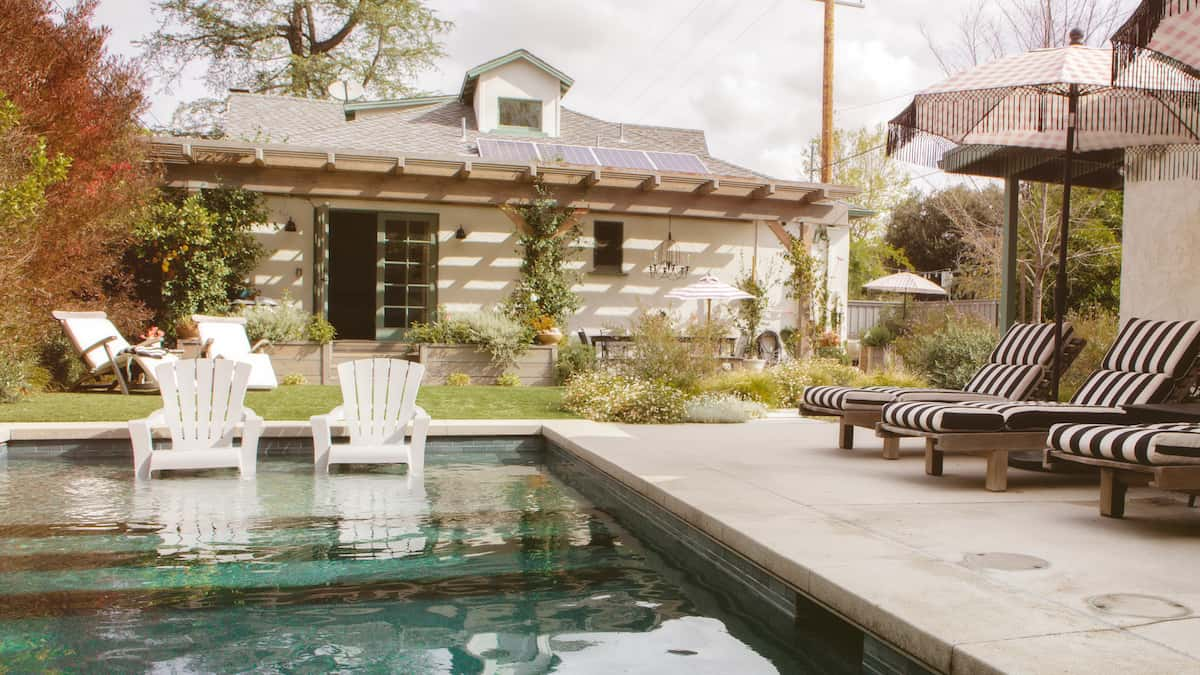
When we think about a home, we tend to focus on its location, size, quality of materials or views. However, there is another factor that is becoming increasingly important when assessing a property: how it feels to live in it and how much it costs to maintain.
The comfort of a home goes beyond its size or striking appearance. It is about enjoying the space, managing its energy consumption and reducing its environmental impact.
Energy efficiency has become an increasingly relevant consideration for buyers of high-end properties. And while an A-rated energy certificate can be a good starting point, it should not be the only criterion when assessing a property.
The Energy Rating: Much More Than a Letter
Before buying a property, it is common to review its Energy Performance Certificate. The familiar scale, ranging from A to G, provides a way of comparing the energy performance of different properties.
The energy rating takes into account factors including energy consumption and the CO₂ emissions associated with the operation of the building. The assessment is carried out under standardised conditions, meaning it does not necessarily reflect the consumption each homeowner will have in their day-to-day life.
For this reason, when assessing a property, we should not focus solely on its energy rating. It is also worth looking at:
- Estimated energy consumption.
- CO₂ emissions.
- The quality of the thermal insulation.
- The type of windows and external glazing.
- Heating and cooling systems.
- Domestic hot water production.
- The use of renewable energy.
- Improvement recommendations included in the certificate itself.
The Energy Performance Certificate must be made available to the buyer and contains information about the property’s energy characteristics, as well as recommendations for potential improvements to its efficiency.
WinnorTip: If you are considering two similar properties, do not compare their energy ratings alone. Look at the systems installed in each one, the quality of their insulation and the investment that would be required to improve their energy performance.
Efficiency and Comfort: Closely Connected
An efficient home does more than consume less energy. It can also provide a higher level of comfort.
A well-designed thermal envelope, suitable windows and a properly sized climate control system can help maintain a more stable indoor temperature and reduce the need to constantly rely on heating or cooling systems.
This becomes particularly important in larger homes. A 400, 500 or 600 m² villa can offer exceptional spaces, but it also represents a considerable area to heat, cool, illuminate and maintain.
In a high-quality home, efficiency should be considered as a whole: architecture, orientation, insulation, installations and technology should all work together.
Air-Source Heat Pumps: Efficiency Without Compromising Comfort
Among the technologies gaining prominence in new-build homes and renovation projects are air-source heat pumps, commonly known in Spain as aerothermal systems.
This technology uses a heat pump to harness thermal energy from the outside air and can be used for heating, cooling and domestic hot water, depending on the installation.
Its appeal goes beyond energy savings. When properly integrated into the design of a home, it can provide highly efficient and discreet climate control solutions. It can also be combined with other systems to further enhance comfort.
Underfloor Heating and Cooling
Underfloor heating distributes warmth evenly throughout different rooms, avoiding the sudden temperature changes associated with some conventional systems. When the installation is designed for this purpose, it can also be used for cooling during the warmer months.
In a city such as Valencia, where thermal comfort during summer is particularly important, this type of solution can be especially attractive.
Combining an air-source heat pump with low-temperature heating and cooling systems can form part of a much more efficient energy strategy than simply replacing a boiler or air-conditioning unit.
WinnorTip: When viewing a property equipped with an air-source heat pump, do not simply ask whether the system is installed. It is important to understand what functions it covers, when it was installed, how it is maintained and how it integrates with the property’s other systems.
Smart Home Technology: Managing Energy Consumption
Technology can bring much more to a home than lighting and entertainment.
Advanced home automation systems allow different elements of a property to be managed through a single system, including climate control, lighting, blinds, energy production and certain appliances or energy loads.
In a large property, this level of control can be particularly valuable.
For example, different temperatures can be set for different areas, schedules can be programmed, climate control can be managed remotely and individual energy consumption can be monitored.
The aim is not to fill a home with technology, but to make technology work quietly in the background, enhancing comfort while using energy more intelligently.
A well-designed home automation system should be integrated into the architecture and simple to operate. The most sophisticated technology is often the technology that makes everyday life easier without demanding attention.
Solar Panels: Sustainability Integrated into the Architecture
Solar photovoltaic energy is another solution that can transform a property’s energy performance.
Self-consumption allows renewable electricity to be generated on-site to meet part of the property’s energy needs, potentially reducing reliance on the electricity grid. Systems can also incorporate batteries to store part of the energy generated, as well as monitoring and energy-management technology.
There is another aspect worth highlighting in a well-designed home: how the installation is integrated into the architecture.
Solar panels do not have to feel like an afterthought. In well-planned projects, they can be incorporated into roofs, pergolas or other architectural elements while preserving the property’s overall aesthetic.
Sustainability and design do not have to be at odds.
WinnorTip: If a property has solar panels, ask about the installed capacity, estimated energy production, whether batteries are included, the monitoring system and the installation documentation. Not all photovoltaic systems deliver the same performance.
The Real Cost of Maintaining an Efficient Home
When buying a property, we tend to pay close attention to the purchase price. However, particularly in larger properties, it is worth considering the cost of maintaining the home over the years ahead.
Climate control, hot water, lighting, swimming pools, gardens, security systems and home automation can all represent a significant part of a property’s ongoing running costs.
An energy-efficient home can help control some of these expenses, although the actual result will depend on the property’s characteristics, how it is used and the systems installed.
For this reason, before purchasing a property, it can be useful to carry out a small energy profile:
- How large is the property?
- How well is it insulated?
- What system is used for heating and cooling?
- How is domestic hot water produced?
- Are solar panels installed?
- Is there a battery storage system?
- Is the swimming pool heated?
- What type of lighting is used?
- Is there a home automation system for managing energy consumption?
- What maintenance do the property’s systems require?
Answering these questions provides a much more realistic picture of the property’s running costs.
Energy Efficiency Can Help Protect a Property’s Value
Energy efficiency should not be viewed solely as an environmental consideration. It is also becoming an increasingly relevant part of the property market.
A property’s energy characteristics make it possible to assess its performance and identify potential improvements. Energy certification regulations are designed, among other things, to give buyers and users objective information about the energy performance of buildings.
As a result, features such as good insulation, efficient systems, renewable energy sources and advanced energy-management technology can become distinguishing characteristics of a property.
In the upper end of the property market, where differences between homes can often be found in the smallest details, these features can become increasingly significant.
Buying with the Future in Mind
A home can capture our imagination because of its views, architecture or location. But making a considered purchase also means looking at the things that are not always visible during a first viewing.
Energy efficiency is part of that bigger picture.
Understanding how a property has been built, which systems it uses, how much it may cost to maintain and what opportunities exist to improve it allows for a much more informed decision.
Quality means enjoying a home that is comfortable, efficient and prepared for the future.
At Winnor, we believe that buying a property is about much more than finding a home you like. It is about understanding it in depth, appreciating its characteristics and considering all the elements that will help make it the right choice over time.
When we assess a property, we look beyond what is immediately visible. Because in a truly special home, the most valuable qualities are often the ones you cannot see, but can enjoy every day. Contact us and let us advice you in your search for a house that feels like home.


